How to Unclog a Drain: What Works by Drain Type and When to Call a Pro
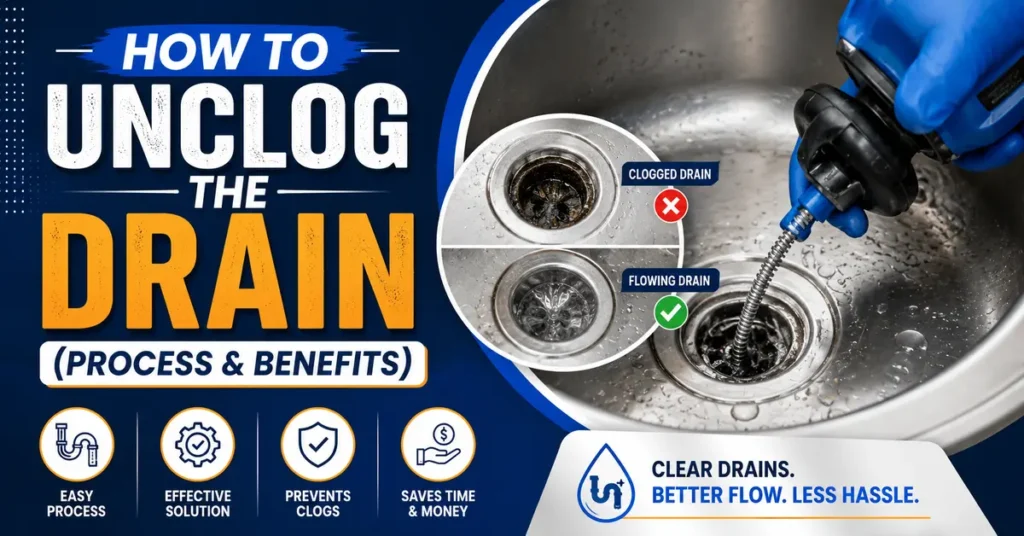
Getting a drain unclogged kind of depends on which drain it is, what is causing the blockage, and how long it’s been building up. Once you get that part right, the solution holds. If it’s wrong, you’ll be back here in about three weeks; trust me, it happens.
Why Is My Drain Clogged?
Kitchen drains end up getting clogged because of grease. Cooking oil and leftover food debris slowly coat the inside walls of the pipe every day. Baltimore’s hard water makes this worse because mineral scale builds up on top of that grease, and the two together narrow the pipe more with every passing month.
Bathroom sinks clog from hair and toothpaste buildup near the stopper. Shower drains clog from hair, full stop. And if you have multiple slow drains going at the same time, none of those individual causes explain it because the main sewer line is almost certainly involved.
How to Unclog a Kitchen Sink
Unclogging a kitchen sink works best if you start with stuff that costs nothing, then go little by little toward what needs a tool or two. Like, first try using simple pressure and water flow, then if that doesn’t cooperate, you can move into more hands-on methods.
Try Hot Water
Get some water boiling and then pour it down the drain with three slow passes, leaving roughly thirty seconds in between each. When the water is hot, it freshens grease right away, and it also loosens surface tension on that light film buildup.
Baking Soda Method
Pour about half a cup of baking soda down the drain, then right after that, add a full cup of white vinegar. You’ll see the fizzing really go, it helps loosen the light grease and small stuff clinging to the pipe walls. Just leave it for around twenty minutes, then flush everything out with boiling water.
Use a Plunger
Set the plunger flat right over the drain opening and press down hard about fifteen times, with no pause, keep it consistent. When you plunge, the force moves water pressure straight through the blockage, and usually it loosens whatever clogs are left behind that the other stuff could not manage. After that, run hot water to verify the drain is moving again.
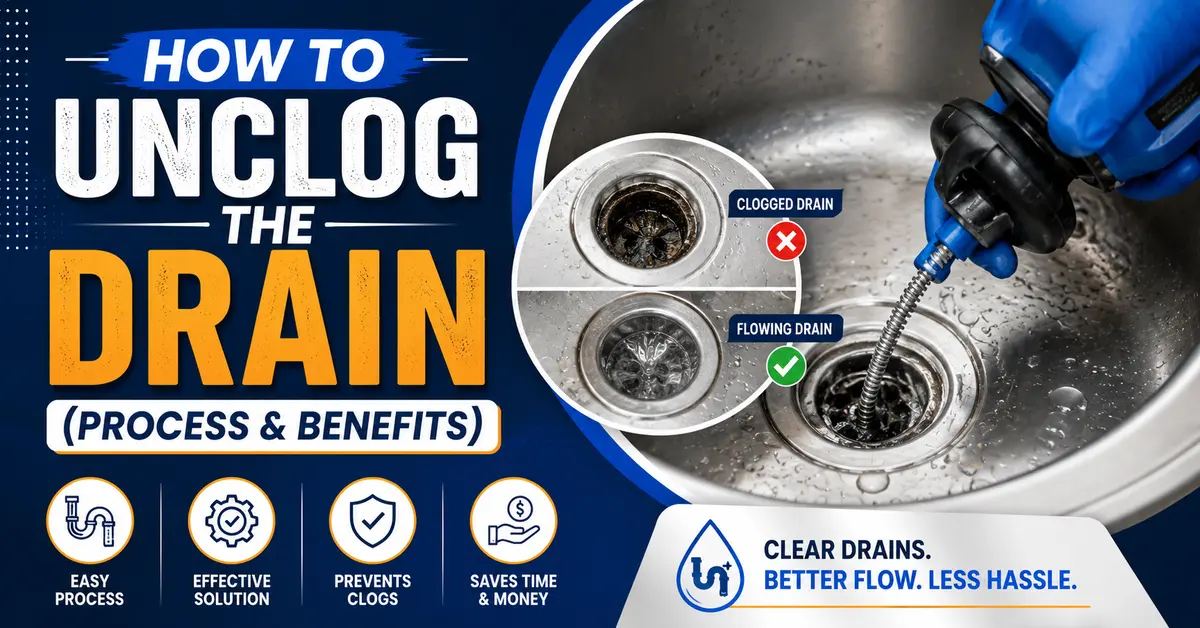
Snake It
If plunging does not solve it, the blockage is too deep or too dense for anything above. Grease that has been building on pipe walls for months does not respond to baking soda or plunging. At this point, a drain snake or cable machine is what actually reaches it.
How to Unclog a Bathroom Sink?
Unclogging a bathroom sink is usually quicker than people expect because the clog is almost always right at the stopper.
Check the stopper
Most bathroom sink stoppers lift straight out or turn a quarter turn to release. Pull it out and look at what has built up around the mechanism. Hair wraps around the bottom of the stopper and creates a dense mat that blocks everything above it. Pull that out and run water. Half of all bathroom sink clogs end right here.
Zip-It Tool
Push a zip-it tool six to eight inches into the drain and rotate it slowly before pulling back out. Do this two or three times. Clogged drain remedies for bathroom sinks almost never need chemicals when this tool is available. It costs about three dollars at a hardware store.
How to Unclog a Shower Drain?
How to unclog a shower drain means dealing with hair every single time, which is kinda annoying. Chemical drain cleaners do not really dissolve hair effectively, and most plumbers will tell you the same thing, too.
Pull Hair Out
Take off the drain cover, shine a light in there, and then use a zip-it tool or maybe a bent wire to pull the hair mat out by hand. In most cases, hair in a shower drain just sits right within the first six to eight inches or so; you have to physically remove it.
Flush and Prevent
After pulling the hair, pour baking soda and vinegar to address soap residue and biofilm that build up alongside the hair. Get a drain hair catcher and put it over the opening. This one step prevents most future shower clogs before they start.
How to Unclog a Drain That Keeps Returning?
Trying to unclog a slow drain that somehow clears, then comes back in like three weeks, is a totally different thing than dealing with a one-time blockage, though.
Why It Returns
The pipe wall is coated with that grease or mineral scale, and each time you clear the drain, you basically just make an opening right through the center. The residue on the walls remains, and it kind of closes back in. Then the drain slows down again, and you end up calling once more.
When to Jet
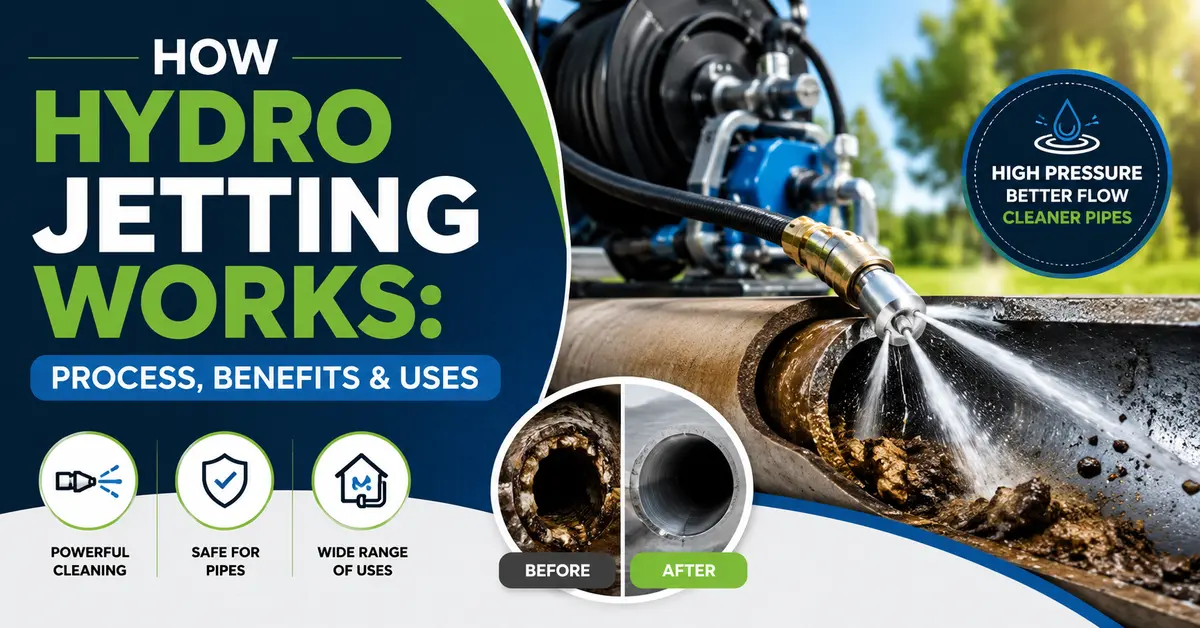
Hydro jetting is the real fix; it actually tackles the pipe walls, not just that center part of the clog. High-pressure water scours the entire inside of the pipe, from one end to the other, and it lifts away what years of accumulation have left behind. And doing preventative drain cleaning once a year is more cost-effective than having to clear that same drain four times in a year.
Deeper Signs
These tell you the problem is in the main sewer line and not a single fixture drain:
- Multiple slow drains simultaneously
- Gurgling drains post-flush
- Sewer backup in the basement
- Sewage smell inside the home
- Recurring clogs across fixtures
When to Call a Plumber for a Clogged Drain?
You should call a plumber for a drain when the plunger and the drain snake do not help you fix the clogged drain.
Call Today If
Multiple fixtures are slow or backing up at the same time. You see a sewer backup coming up through the basement floor drain. The drain is completely blocked, and nothing is moving at all. You tried three methods, and nothing worked.
What Professionals Use
A professional plumber uses camera inspection or video pipe inspection to see inside the line before recommending anything. Hydro jetting clears the full pipe wall. A cable machine reaches clogs that household snakes cannot get to. Same-day drain service is available for situations that genuinely cannot wait.
Baltimore Drain Help
Drain cleaning services in Baltimore from Plumbing Solutions Pro start with understanding what is actually in the line, not just clearing what is visible at the surface. Drain cleaning services for Baltimore City and Baltimore County homes include camera inspection on any drain that has been cleared more than once in a twelve-month period.
Frequently Asked Questions
Grease is coating the pipe walls and closing back in after every clearing. A drain snake only opens a path through the blockage. Hydro jetting removes what is on the walls.
Baking soda and vinegar work on light, fresh grease and minor buildup. They do not work on dense hair mats, hardened grease, or buildup that has been there for months. Try it first, but know its limits.
If one drain is slow, it is that fixture. If multiple slow drains are occurring simultaneously or you hear gurgling sounds after using the toilet, the main sewer line is likely involved.
A household drain snake works for clogs within the first few feet of a drain opening. Deeper blockages and buildup on pipe walls need a professional cable machine or video pipe inspection to locate and address them correctly.
Conclusion
Unclogging a drain is not just one answer. Like boiling water for fresh kitchen grease, a zip-it tool for shower hair, or a plunger for those softer bathroom clogs. And if it’s still acting up, like it will not quit, then it’s a plumber with hydro jetting equipment for whatever keeps coming back. The whole thing is matching the right “move” to the right drain, so it actually holds instead of having to redo everything every few weeks.
Drain Backing Up Again in Baltimore?
Stop going in circles on the same drain. Contact Plumbing Solutions Pro today for professional drain cleaning services that find what is actually causing the problem and clear it properly.